Wa’ad Mkarem
The celebration of the Spring Festival and the New Year according to the ancient Syrian calendar (around 3000 BCE) symbolized the union or sacred marriage between the sky and the earth. This union represented the meeting of the divine with the human, through which a new birth occurs for both humanity and nature. Nature and life are renewed in a heavenly human love from which the renewed Son of Humanity is born.
Syria possesses long-standing traditions and customs for celebrating the spring season, reflecting the country’s rich cultural diversity. These traditions bring Syrians together in expressions of joy, including folk dances (dabke), wearing colorful clothing, and celebrating the beauty of nature during its most beautiful season.
Read more on the significance of Spring Rituals.
Among the most prominent of these celebrations are:
1. The Druze celebration of spring:
The Druze celebration of spring is more closely linked to spiritual symbolism and the renewal of life rather than to a loud popular festival like some other holidays. Spring among the Druze is expressed through several practices and traditions, especially in areas where Druze communities live, such as Jabal al-Druze in Syria, Lebanon, and Palestine.
2. Nowruz Festival:
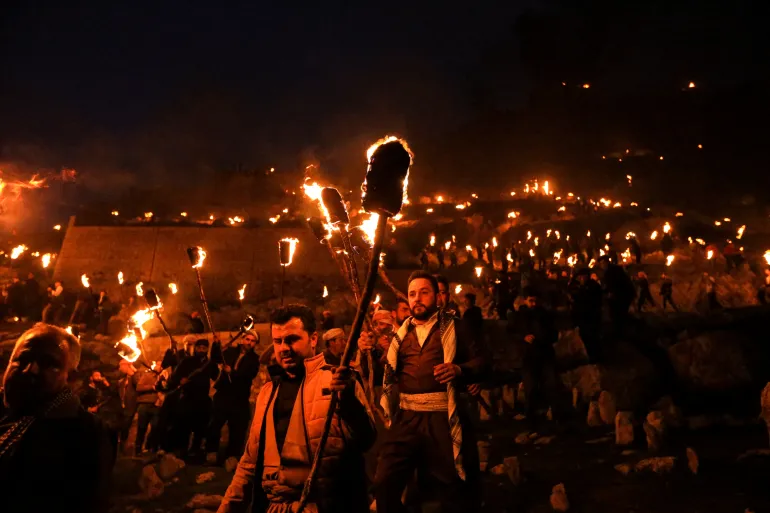
Celebrated by Kurds and residents of northern Syria on March 21. It is marked by lighting bonfires, performing folkloric dances, and wearing traditional clothing.
Read more on Nowruz.
3. The Fourth Festival (Festival of Flowers – “Eid al-Rabea”):
Celebrated by villagers, especially in the Syrian coastal region, on April 17. People go out into nature accompanied by drums, traditional wind instruments, and traditional foods, celebrating together outdoors.
Read more on Eid al-Rabea.
The Druze celebration of spring
The Druze celebration of spring is more closely linked to spiritual symbolism and the renewal of life rather than to a loud popular festival like some other holidays. Spring among the Druze is expressed through several practices and traditions, especially in areas where Druze communities live, such as Jabal al-Druze in Syria, Lebanon, and Palestine.
The Connection with Spring
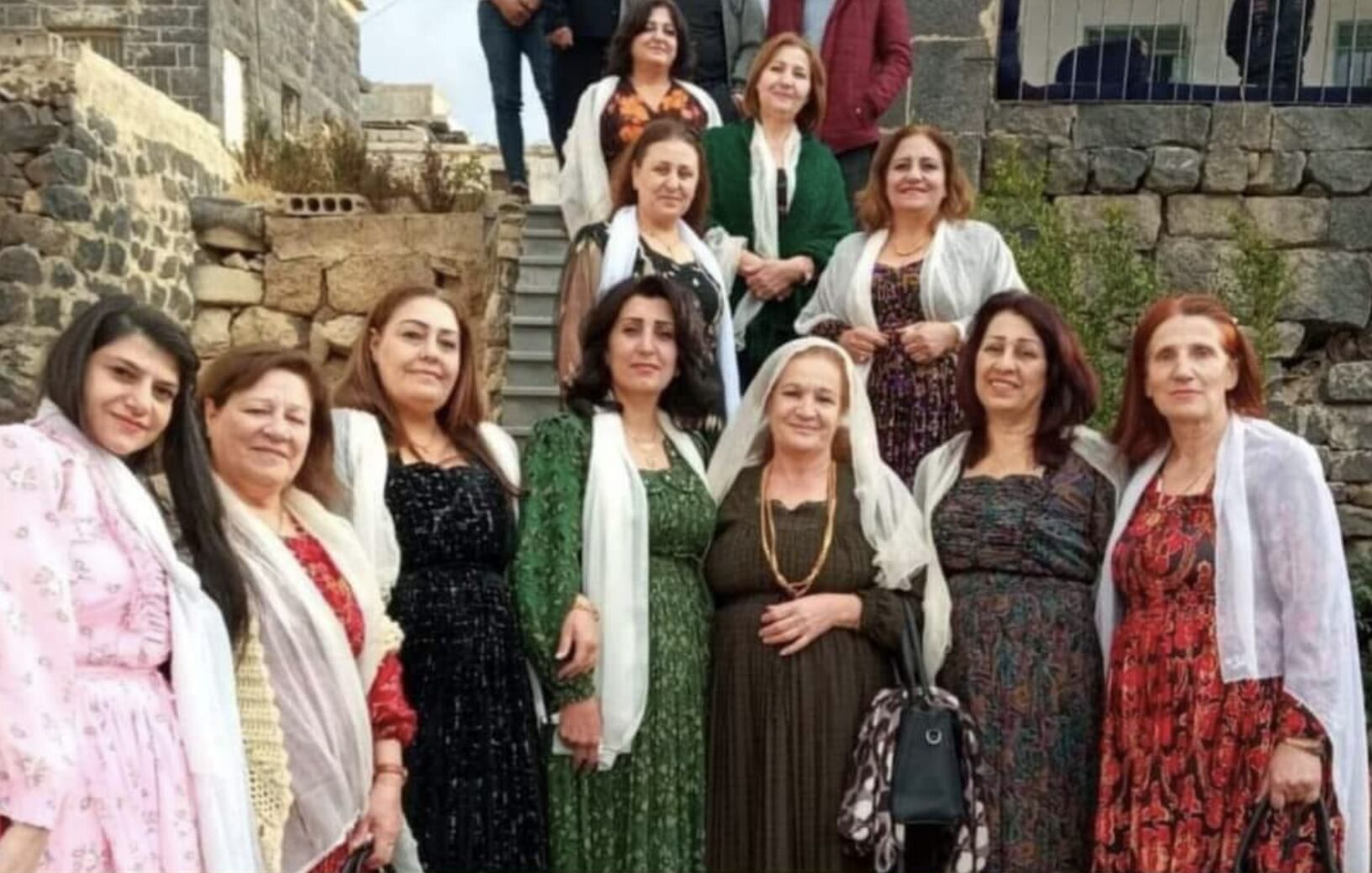
In Druze culture, spring is seen as the season in which these natural colors become visible, the greenery of the earth, the variety of flower colors, the clarity of the sky, and the light of the sun.
This diversity reminds people of the harmony of the five principles in the universe, as if nature itself reflects the spiritual symbolism of these colors.
The Druze celebration of spring is generally calm and spiritual rather than a large ritual celebration. It is reflected in connecting with nature, social visits, and spirituality.
1. Going out into nature (spring outings)
With the beginning of spring, people go out to the fields and mountains to enjoy the green landscapes and wildflowers.
This expresses the renewal of life and spiritual clarity, because nature in Druze thought is considered a manifestation of the divine order in the universe.
2. Social visits and maintaining family ties
Spring is a season for visits between families and friends, where people gather to share food and conversation.
The aim is to strengthen love and solidarity within the community.
3. Visiting religious shrines
Some Druze visit the shrines of saints and prophets, such as the shrine of Prophet Shuʿayb in Hittin, especially in spring when religious gatherings and prayers take place.
4. Meditation and spiritual purity
Spring is viewed as a symbol of a new beginning and purity.
For this reason, many people focus on meditation, reading religious texts, and renewing their commitment to moral values and ethics.
5. Symbolism of flowers and greenery
The flowers and plants that appear in spring symbolize new creation, the balance between human beings and nature, and the cycle of life.
The Symbolism of Spring in Druze Philosophy
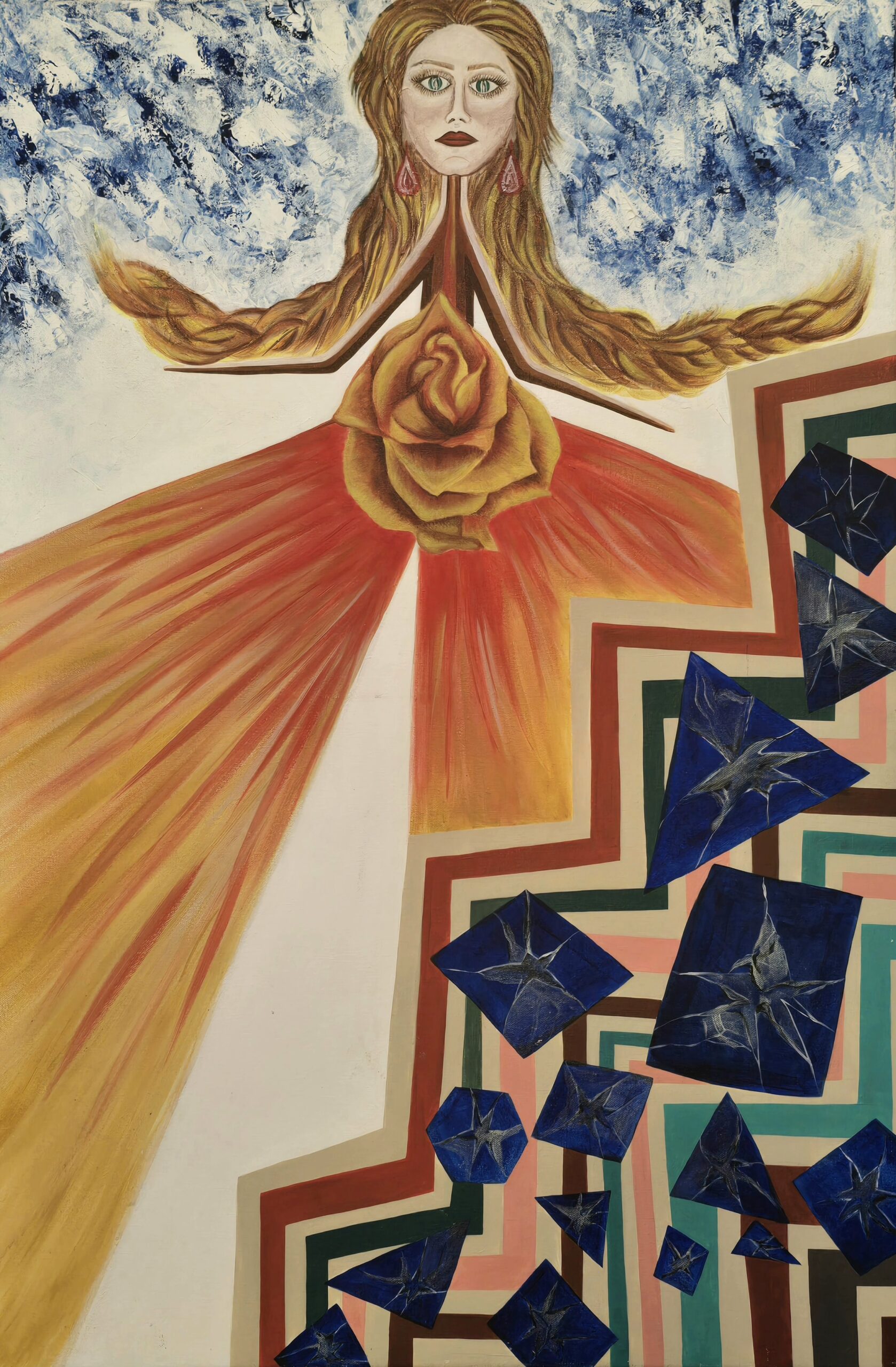
In Druze philosophy, spring is fundamentally associated with the idea of spiritual renewal and the cycle of existence. It is a symbol of light and cosmic harmony. In Druze thought, spring is not viewed merely as a natural season but as a cosmic and spiritual symbol reflecting the renewal of life and the emergence of light after a period of stillness. It is seen as a natural image that mirrors the soul’s journey toward perfection and knowledge.
1. Spiritual renewal and rebirth
Spring symbolizes the return of life after winter. In Druze philosophy, this resembles the idea of the soul’s renewal and development over time. Just as the earth returns to greenery after dormancy, human beings are viewed as capable of moral and spiritual renewal.
2. Light after darkness
In Druze thought, which is connected to traditions of esoteric and Ismaili philosophy, spring symbolizes the emergence of light and wisdom after a period of obscurity or concealment.
Thus, spring is symbolically linked to the spread of knowledge and truth.
3. Balance between humans and nature
Nature in spring reveals a precise order plants growing, flowers blooming, and vitality returning to the earth. In Druze thought, this is understood as evidence of harmony between creation and the divine will, and that humans are part of this cosmic system.
4. The cycle of life and existence
Spring reminds people of the cycle of the seasons: apparent death in winter followed by life in spring. This corresponds with the concept of the transmigration of souls in Druze belief, where the soul continues to move and renew itself through life.
5. Purity and a new beginning
For this reason, spring is also associated with the purification of the soul, returning to moral values, and beginning anew in behavior and life.
Spring and the Symbolism of the Druze Star
For the Druze, spring is not merely a beautiful season; it is seen as a symbolic mirror of harmony between nature and the five spiritual principles represented by the Druze star.
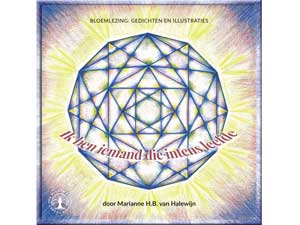
The Druze connect the colors of spring and flowers with their spiritual symbols through the five-colored Druze star, which is a central symbol in the Druze faith. This star represents five major spiritual principles, and its colors are viewed as symbols of spiritual forces that also appear in nature especially in spring when flowers bloom and colors diversify.
The Druze Star and Its Colors
The star consists of five colors, and each color represents a spiritual principle:
Green: symbolizes the Mind (al-ʿAql), representing wisdom and knowledge. In spring it appears in the greenery of plants and trees, symbolizing life and growth.
Red: symbolizes the Soul (al-Nafs), representing vitality and inner strength. It can be seen symbolically in red flowers that express energy and life.
Yellow: symbolizes the Word or Truth (al-Kalima / al-Haqq), representing honesty and light. It is associated with the color of the sun and the yellow flowers of spring that reflect light.
Blue: symbolizes the Preceder (al-Sābiq), a cosmic principle connected to beginnings and order. It resembles the clarity and vastness of the spring sky.
White: symbolizes the Successor (al-Tālī) and represents purity and spiritual perfection. It resembles the purity of some white flowers and the clarity of light.