

Wa’ad Mkarem
The Fourth Festival
Festival of Flowers — Origins and Rituals
The month of April is considered the true beginning of the natural life cycle on earth, as nature begins to renew and revive during this time.
Villagers, especially in the Syrian coastal countryside, celebrate what is known as “Eid al-Rabea” (The Fourth Festival). The 4th of April according to the Eastern calendar, corresponding to April 17 in the Western calendar, is known as the Festival of Flowers. Many ancient legends exist explaining this day and its rituals.
Ancient myths
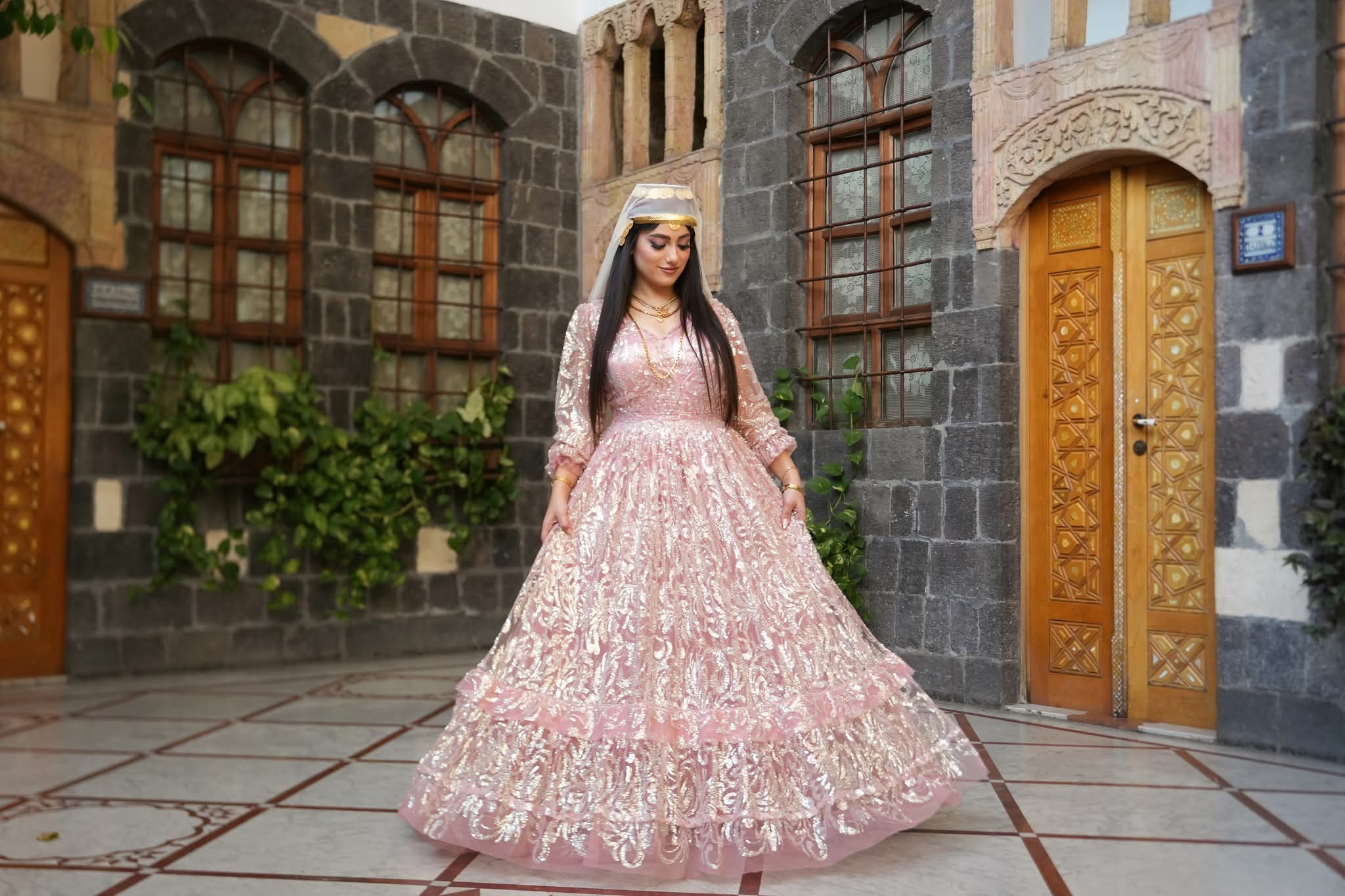
Ancient myths agree that this day marks the arrival of spring, when Ishtar, the goddess of femininity, succeeds in rescuing Tammuz, the god of masculinity, from the underworld. He returns to life, unites with Ishtar, and brings spring and greenery back to the earth.
It was once believed in the Syrian coastal region that the Fourth Festival marked the spring equinox, and the celebration was adopted by various civilizations and peoples who lived in ancient Iran, later the Turks, and the peoples of Central Asia.
Ancient Babylonian traditions describe the rebirth of life at the beginning of spring as the core of Babylonian ritual life. In earlier Sumerian times this celebration was called “Khajiti Ziggurku” (the Minor Festival).In Akkadian (Babylonian-Assyrian) it was called “Rish-Shattin”, meaning “Head of the Year”.
In Aramaic it was “Rish Shanta”, in Hebrew “Rosh Hashanah”, and in Arabic “Ra’s al-Sana” (New Year).
In ancient Syrian and Iraqi cities, the Epic of Enuma Elish was recited as a sacred ritual celebrating the immortality of the chief god (El, Shamash, Marduk, or Hadad) and the creation of life.
This recitation took place in the Temple of Esagila, the great temple, on the fourth day of the Akitu festival, which lasted twelve days after the spring equinox, when day and night are equal.
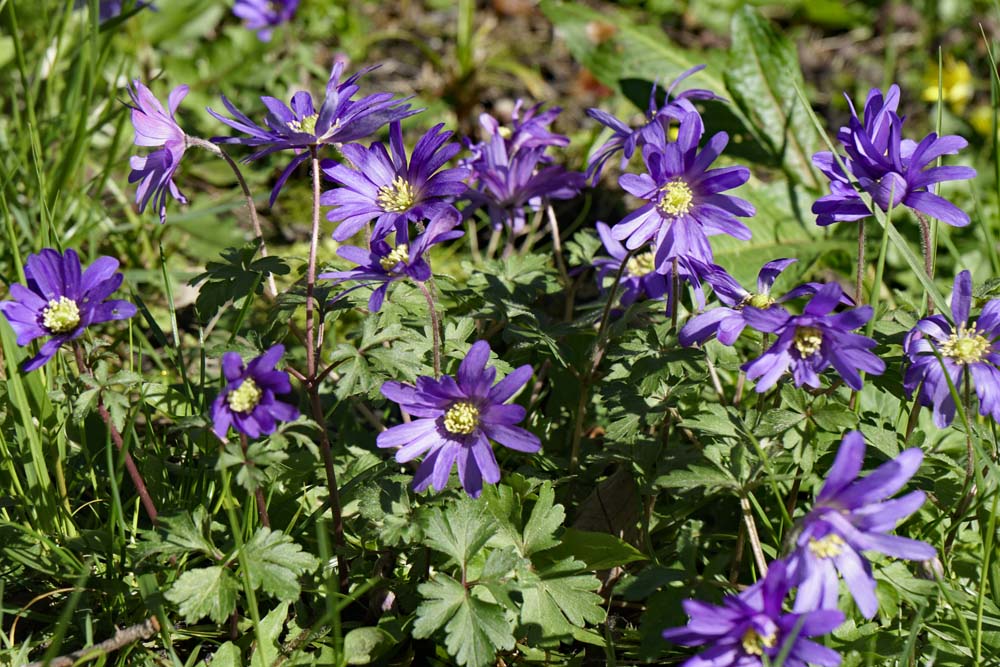
Another legend tells that the god Adonis was hunting a wild boar in the forest when the animal wounded him fatally. According to the myth, the blood of Adonis and the tears of his beloved Astarte caused flowers and anemones to grow from the earth.
Thus, the 4th of April (according to the Eastern calendar) became a day to commemorate this story and its symbolism of nature’s renewal.
Welcoming Spring and Seasonal Abundance
One of the key meanings of this celebration is the welcoming of nature and the joy of its seasonal
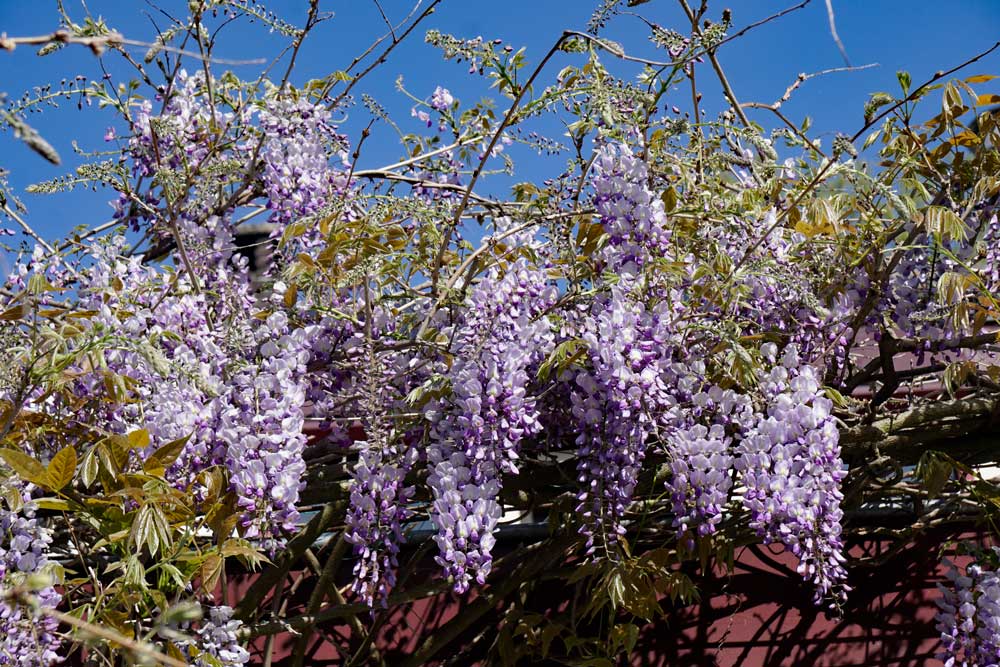
abundance. It is symbolically connected to the myth of Tammuz, who spends half the year in the underworld and is then resurrected, representing the cycle of winter (death of vegetation) and spring/summer (its rebirth).
The festival also symbolizes the victory of the god Marduk over the dragon goddess Tiamat, representing the creation and organization of the cosmos and the eternal struggle against forces of chaos.
Another purpose of the festival was the renewal of the earthly king’s authority. In ancient Mesopotamia, kings believed themselves to be representatives or tenants of the god’s land, and every year during the Akitu New Year festival they symbolically renewed their divine mandate.
Rituals of the Fourth Festival
It is a collective day of joy, when people from many villages gather in nature. Everyone awaited it eagerly, especially young men and women.
The most distinctive feature of the celebration is group activities, especially the dabke dance, which is characteristic of Syrian regions, each region having its own style.
There are also poetic singing circles (zajal), traditional songs, and many folkloric celebrations.
Drums and wind instruments would move through the villages announcing the beginning of the festival. Villagers and people from nearby villages would gather in the village square during the day to dance the dabke to the sound of drums and flutes.
It is worth noting that the celebration of the Fourth Festival (Festival of Flowers), like other social occasions, takes place through cooperation among villagers. Some villages on the Syrian coast have preserved this tradition to this day.
After the end of the French mandate in Syria on April 17, the festival gained even greater significance in Syria, as it came to symbolize a new birth for the country and the end of oppression.

